Sensors and actuators

Physical-to-digital interface engineering.

Engineering at the heart of connected systems

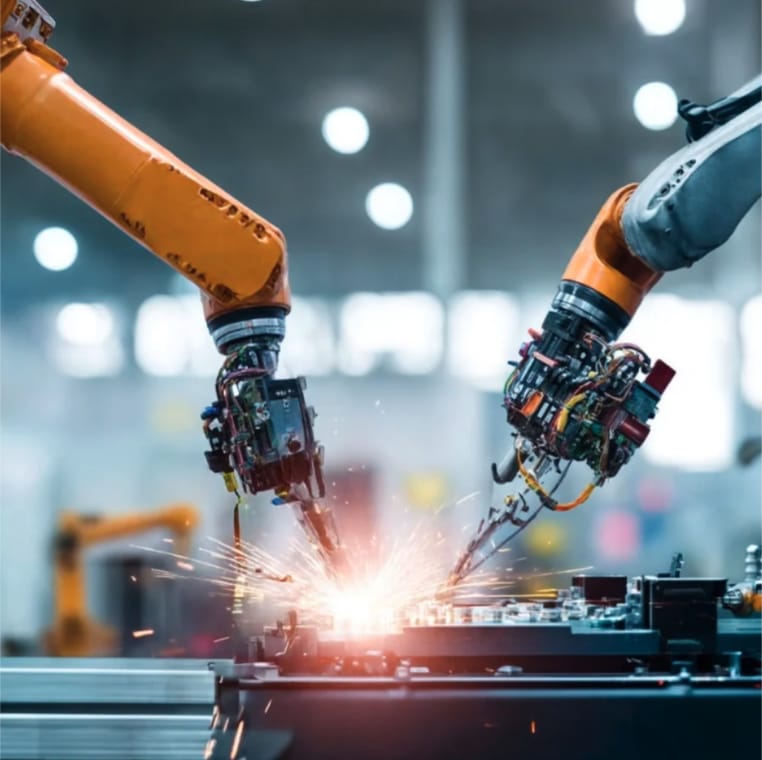
Sensors and actuators are present in most modern technical systems: industrial equipment, means of transport, buildings, infrastructure, connected objects, and more. They provide the essential link between the physical world and the digital applications that control it.

IT Link designs, specifies, and integrates physical-to-digital interfaces based on sensors and actuators. We work across the entire chain, from selecting sensors to business applications, including actuators, cabling, electronics, embedded systems, and connectivity. Our goal is to ensure reliable measurement, controlled operation, and actionable data.

The role of sensors and actuators in a system

In a connected system, the functional chain generally relies on three levels:

  • The sensor measures a physical quantity and provides actionable information.
  • The control unit processes this information and makes a decision.
  • The actuator applies this decision to the process.

This pattern is found in production machinery as well as vehicles, energy installations, and building equipment. IT Link’s engineering services are built upon this architecture.
Acquisition: Capturing the Physical Signal

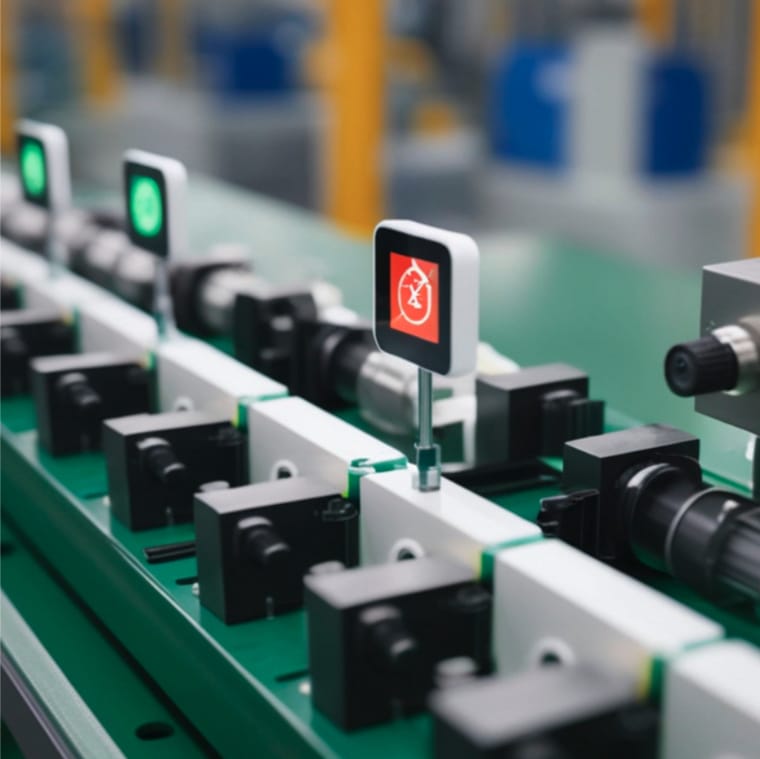
The first step is to obtain a measurement that accurately represents real-world conditions. The sensor converts temperature, pressure, vibration, movement, or position into an electrical or digital signal.

IT Link performs needs analysis and selects the appropriate sensor technology based on the context of use, environment, and expected performance. We provide expertise for:

  • Proximity or presence sensors on automated lines.
  • Safety sensors for protecting property and people (e.g., solutions for lone workers).
  • Environmental sensors for monitoring distributed infrastructure.

The challenge is to ensure stable and reliable measurement despite mechanical, climatic, or electromagnetic interference.

Connectivity and Cabling: Ensuring Reliable Physical Connections

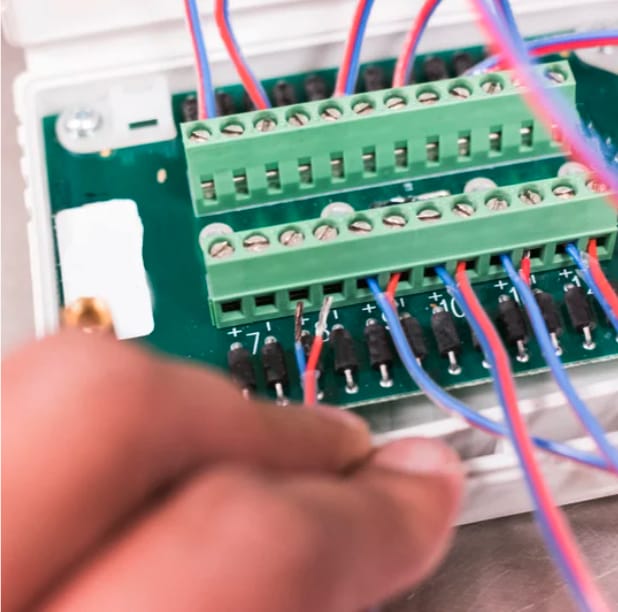
Most incidents in connected systems originate at the physical layer: connectors, cables, and routing. A reliable sensor and a properly sized actuator are not enough if the connection between them is not mastered.

For 40 years, IT Link has been designing wiring plans and defining connectivity components based on:

  • Mechanical constraints (vibrations, movement, bending).
  • Environmental conditions (dust, humidity, chemical agents).
  • EMC constraints and installation topology.

This involves recommending M12 or M8 connectors, using distributed architectures with sensor connection boxes, and selecting sensor cables designed for repetitive motion. The goal is to ensure service continuity and simplify maintenance.

Control: Driving the actuator

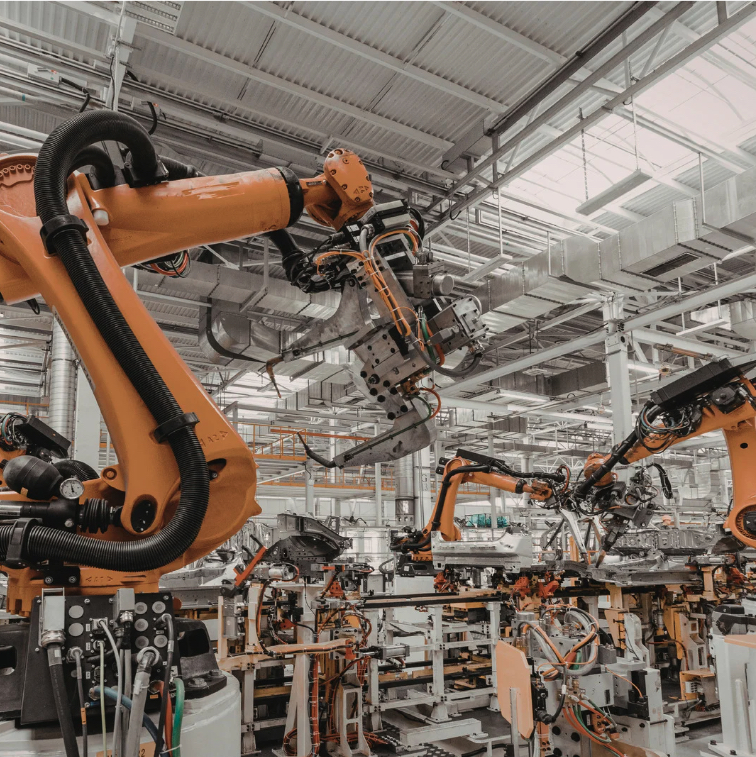
The actuator sets the system in motion or changes its state. It can be electric, pneumatic, hydraulic, or thermal. The quality of the control determines the precision, safety, and service life of the installation.

IT Link defines control laws, integrates the selected actuators, and ensures consistency with existing sensors. Our work includes, for example:

  • Servo control of motors for robotics, material handling, or mobility.
  • Control of pneumatic or hydraulic cylinders for high-speed or heavy-load operations.
  • Regulation via heating or cooling elements to maintain a specific operating point.

The goal is to ensure predictable system behavior, optimized energy consumption, and a level of security that meets all standards.

From signal to data: IT Link's expertise

Once the sensor-actuator chain is in place, the real value lies in the data produced and how it is leveraged. IT Link provides expertise across three complementary areas:

  • Embedded systems : Software development for signal preprocessing as close to the source as possible (filtering, detection, aggregation).
  • Connectivity : Integration of fieldbuses, industrial protocols, IoT or cellular (4G/5G) links, and interfacing with information systems.
  • Data valorization : Designing dashboards, monitoring views, and predictive maintenance features to anticipate drift.

Don't let a connectivity failure compromise your production

Contact one of our experts

FAQ

A passive sensor modifies a physical property (such as resistance) and requires external conditioning. An active sensor has its own power supply and provides an analog or digital signal directly (e.g., 4–20 mA). IT Link manages the integration of both types of technology.

Retrofitting involves adding sensors and adapting actuators without replacing the entire machine. IT Link can integrate an additional measurement unit, instrument critical components (motors, cylinders), and relay data to a supervision tool.

No. IT Link is a service and consulting company. We do not sell catalog items. We conduct technical studies so that you can choose the most suitable equipment from your suppliers, with complete independence.

Contact us
Do you have a new and innovative project? Let's talk about it!

Fields marked with an asterisk are required.

Expected format: name@company.com
Expected format: 10 digits with or without spaces, or an international number with country code.
Thank you for your request, you will receive an email from us.
Contact us
Do you have a new innovative project? Let's talk about it!

Fields marked with an asterisk (*) are required.

Thank you for your request, you will receive an email from us.
Oops! Something went wrong while submitting the form.
Go up to the top of the page