


When complexity transcends professional silos
The problem is not technical in the strict sense. It stems from a lack of methodology upstream, poorly stated requirements, and teams that do not share the same frame of reference. The later a requirement anomaly is detected, the more its correction cost explodes: an error identified during the validation phase mobilizes resources that are incomparable to what a rigorous initial scoping would have cost.
Companies developing complex systems encounter the same obstacles, regardless of their sector. Traceability between operational needs and technical specifications is rarely ensured from end to end. Modeling of interfaces between subsystems remains partial due to a lack of time or a common method. Validation processes are initiated too late in the lifecycle, when the margins for correction are already significantly reduced. Project teams, composed of highly specialized profiles, struggle to maintain a consistent view over time, especially as the number of subcontractors and sites increases. This is the area where IT Link intervenes.
How does IT Link structure your system projects?
We work across the entire system lifecycle, from objective definition to service qualification. Our systems engineers integrate into your projects using methods adapted to your organization, with a framework that structures collaboration between all involved disciplines.
Everything starts with a simple question: does everyone understand the same thing when we talk about system requirements? In most projects, the answer is no. We begin by resolving this ambiguity by capturing and formalizing operational needs, stakeholder expectations, regulatory constraints, and performance objectives into a shared repository.
This requirement management relies on proven methods (SysML, DOORS, or equivalent tools depending on the context) and produces a traceable foundation that all teams use throughout development. The subsequent functional analysis breaks the system down into functions, subsystems, and interfaces. It defines what each element must do, under what conditions, and with what constraints. This two-level system design—functional then physical—allows for the anticipation of integration issues before they materialize in code or hardware, when correcting them becomes costly.
For complex systems, modeling is not an academic exercise. It is the only way to maintain a consistent representation of a whole whose components are evolving in parallel, handled by different teams, sometimes at different sites.
We work according to ISO 15288 and ISO 29148 standards, which are the international benchmarks for system lifecycle management and requirement definition. Modeling covers functional, behavioral, and physical aspects, with particular attention paid to hardware/software interfaces. These interfaces are statistically the most frequent points of failure in multi-domain projects: this is where the implicit assumptions of each team collide. On projects where the network dimension or the system's attack surface must be controlled from the design stage, our expertise in network architecture and cybersecurity integrates directly with this systems engineering work.
The V-model remains the structuring reference for projects subject to safety or certification requirements. We master this process in its entirety, from the definition of system requirements to validation tests, ensuring the consistency of deliverables at each phase and their alignment with expected qualification criteria.
The method is not applied mechanically. On projects where constraints evolve during development, our engineers integrate controlled iterations without breaking the requirement-to-test traceability. Validation is not a safety net placed at the end of the project: it is prepared from the scoping phase, with defined acceptance criteria that guide all intermediate design phases. For systems subject to high safety integrity levels, this logic naturally extends to functional safety and V&V activities, two areas in which we possess dedicated expertise.
A poorly defined requirement at the start of a project often leads to non-compliance at the end of the qualification phase. We implement requirement management tailored to the size and nature of the project: structuring by levels (system, subsystem, component), traceability matrices, and formalized tracking of changes and their impact across the entire scope.
The goal is to ensure that at any point in the project, every requirement can be linked to an identified operational need and a validation test case. For systems subject to regulatory obligations, this traceability is a direct prerequisite for the admissibility of the certification file. Projects that process personal data or operate within a restrictive regulatory framework must integrate the obligations of data protection (GDPR) from this phase, just as they do technical constraints.
From design to qualification: critical phases
Methodological rigor does not end with defining requirements. It extends to the most concrete phases of the project: subsystem integration, service qualification, and risk reduction through simulation.


Are you developing a high-stakes technological system and looking to structure your approach?
Sectors of expertise
IT Link works on systems engineering projects in sectors where mastering complex systems is a direct driver of the performance, safety, and compliance of delivered products. The examples below illustrate typical scopes and do not exhaust our field of expertise.

Automotive
Embedded vehicle systems engineering, AUTOSAR requirements management, and compliance with functional safety standards (ISO 26262).
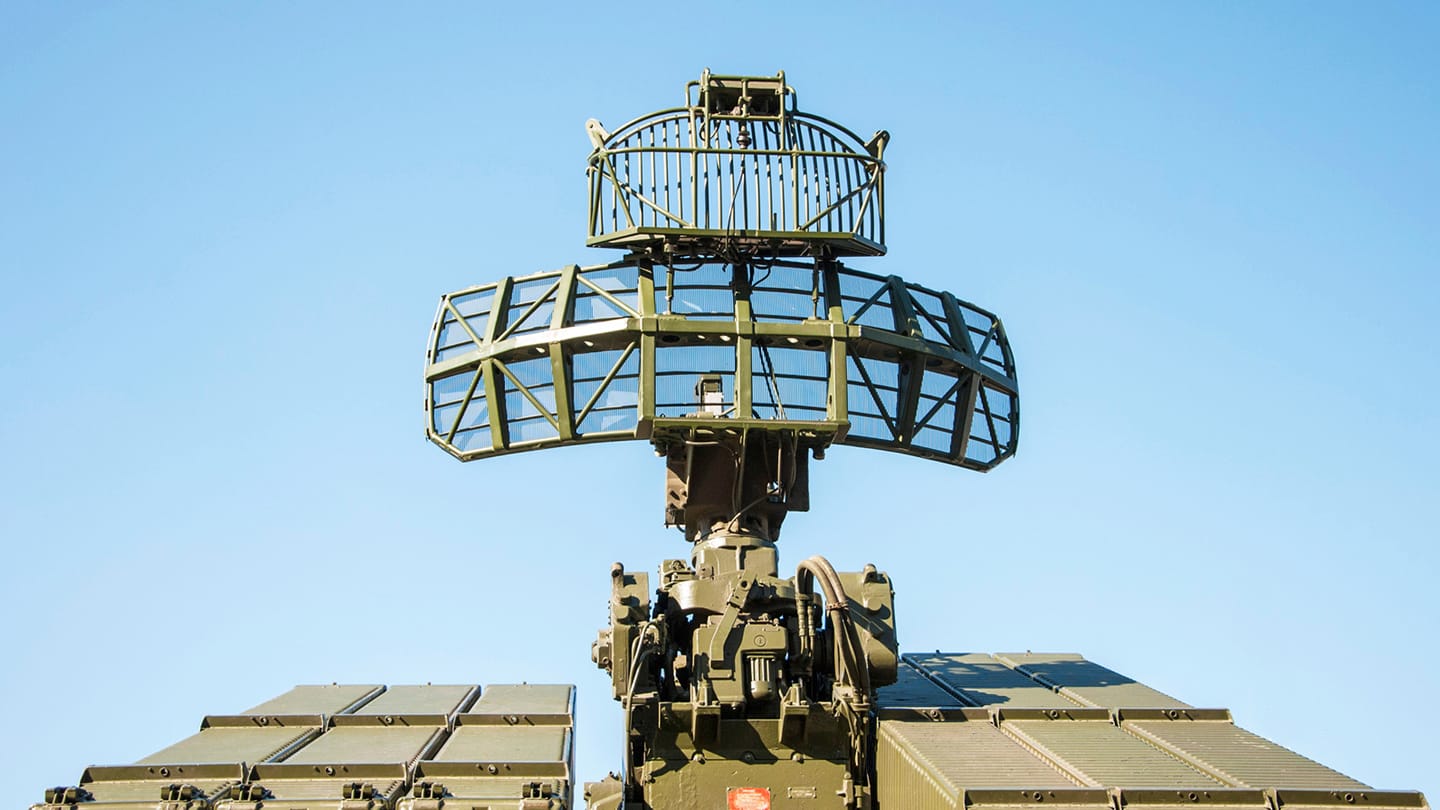
Defense
Development of systems with high safety and confidentiality constraints, using engineering processes aligned with DGA and NATO standards.

Energy
Design and qualification of control-command systems for critical industrial environments, with management of associated IEC standards.

Rail
Systems engineering for equipment subject to EN 50126/50128/50129 standards, with full traceability of safety requirements.
High Tech
Development of complex technological products integrating software, hardware, and communication components within tight deadlines.
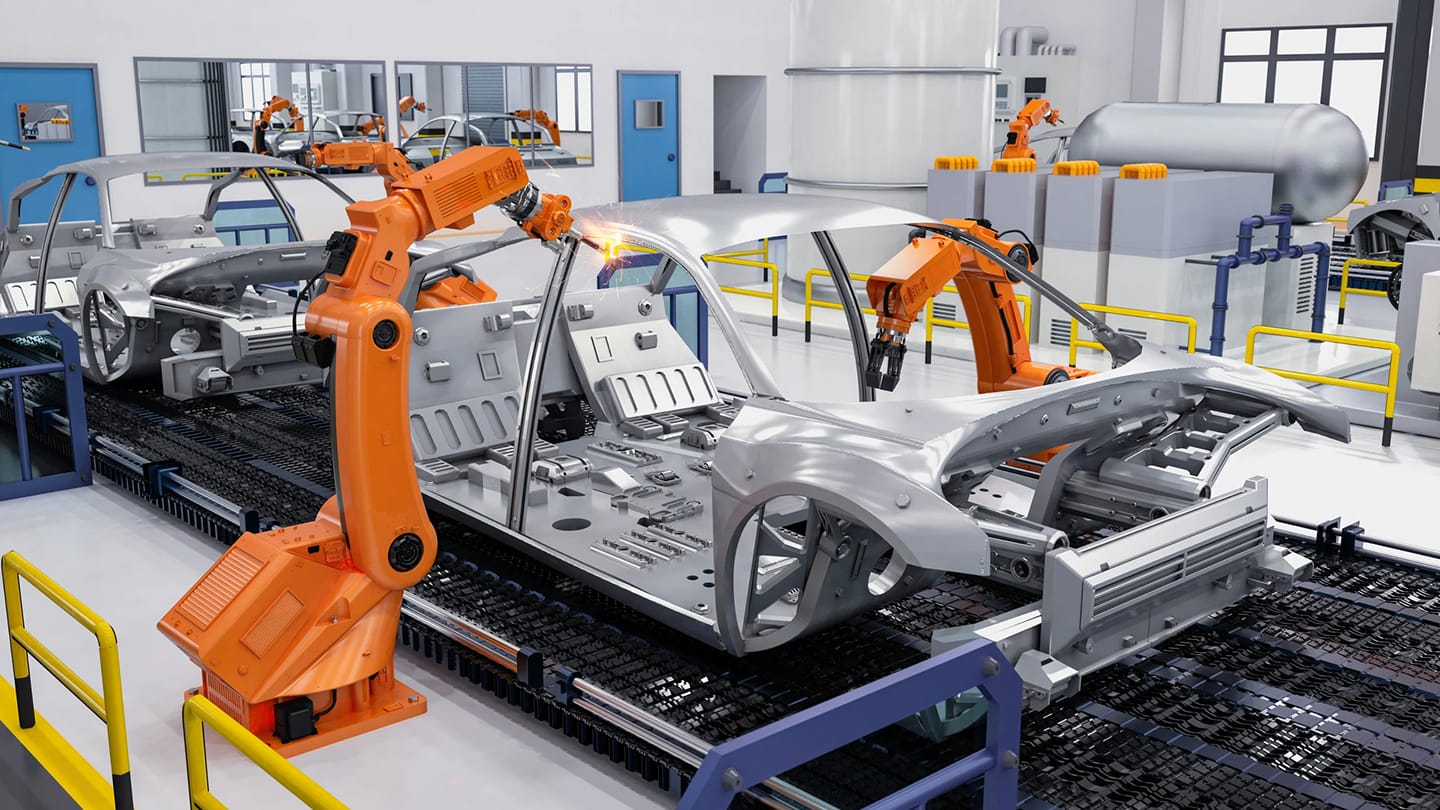
Industry 4.0
Integration of cyber-physical systems on production lines, with management of interfaces between IT and OT.

Medical
Development of medical devices under IEC 62304 and ISO 14971, with formal risk management integrated from the requirements phase.

Research and Innovation
Support for exploratory projects requiring systems engineering rigor to transition from prototype to qualified product.

Telecom
Architecture and integration of complex communication systems, including management of protocol interfaces and performance constraints.
Frequently Asked Questions
- Which standards govern systems engineering, and which ones apply to my sector?
The reference standards are ISO 15288 (systems life cycle) and ISO 29148 (requirements engineering). These are supplemented by industry-specific standards: ISO 26262 for automotive, EN 50128 for rail, IEC 62304 for medical, and IEC 61508 for industrial safety systems. We structure our processes according to the framework applicable to each project.
- How can you evaluate the maturity of a systems engineering provider before hiring them?
Deliverables are the most reliable indicator: a solid provider should be able to present a requirements management plan, a traceability matrix, and a system architecture document from real-world projects. Proficiency in industry-standard tools (SysML, DOORS, Capella) and experience with projects subject to third-party certification round out the picture. An industry reference is not enough if it isn't backed by methodological rigor.

